
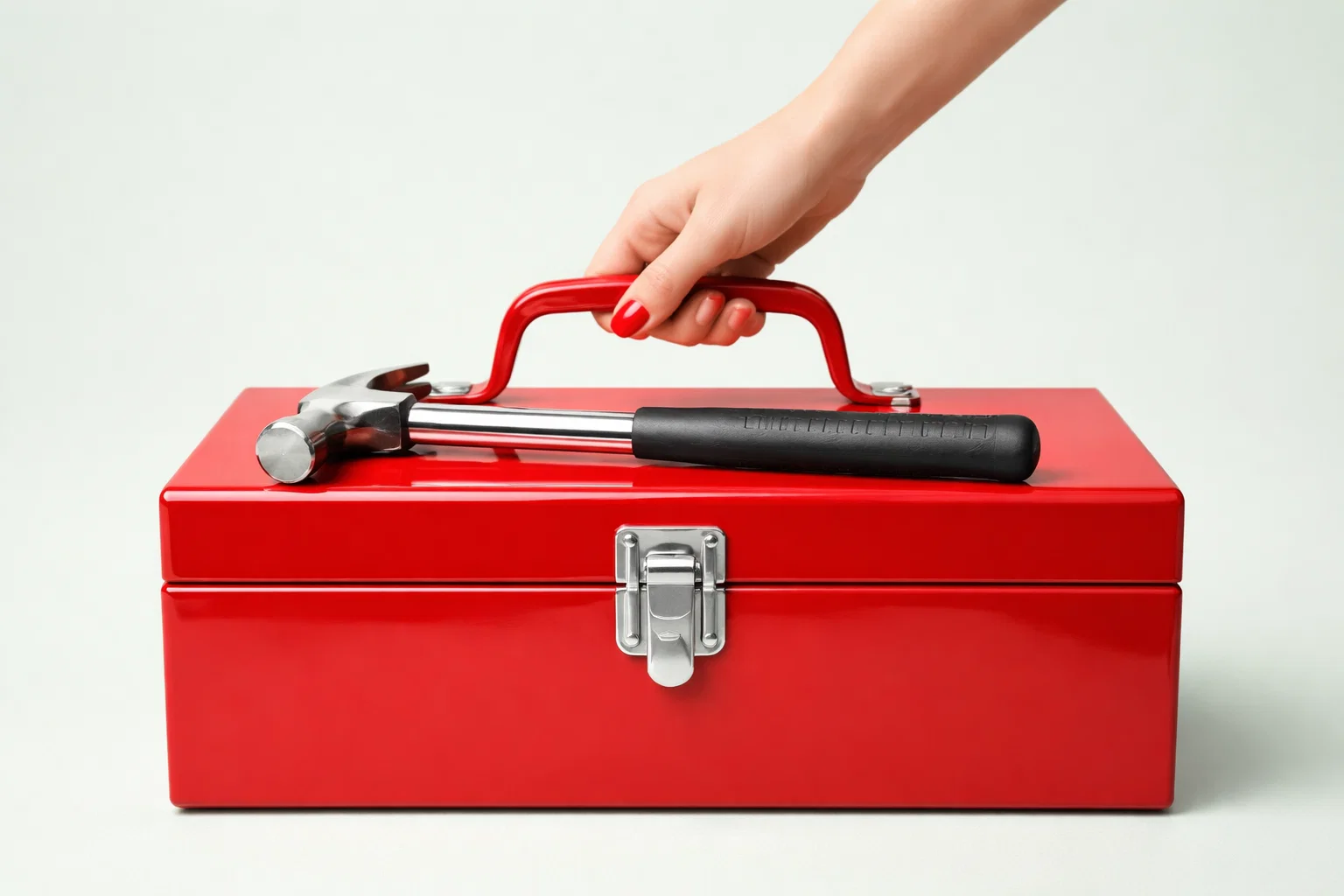
How to Know When to DIY
Most plumbing problems start small. A slow drain here, a dripping faucet there. The question every homeowner eventually faces is: can I fix this myself, or do I need a pro?
The answer depends on the problem. Some issues are simple enough to resolve in 20 minutes with basic tools. Others look minor but signal something far more serious beneath the surface. Getting that judgment wrong can turn a $50 fix into a $5,000 repair.
This guide breaks down exactly when to roll up your sleeves—and when to step back and call a licensed plumber. You’ll also find practical tips for preventing common plumbing problems before they start.
Table of Contents
Signs You Need a Plumber Right Away
Some plumbing situations can’t wait. These are the red flags that warrant an immediate call to a professional.
Sudden Loss of Water Pressure
A gradual pressure drop might just be a clogged aerator—easy to fix yourself. But sudden, significant pressure loss across multiple fixtures usually points to a bigger issue: a main line break, a hidden leak, or a failing pressure regulator.
If your water pressure drops overnight and doesn’t recover, don’t wait. Shut off your main water supply and call a plumber the same day.
Sewage Backflow or Persistent Drain Odors
If sewage is backing up into your sinks, toilets, or bathtubs, you have a serious blockage or a broken sewer line. This isn’t a plunger problem. Raw sewage poses real health risks, and DIY attempts can push the blockage deeper or damage aging pipes.
Persistent sulfur or rotten egg smells—even without visible backup—can indicate sewer gas infiltration, which is both a health hazard and a potential fire risk.
Signs of a Hidden Leak
Hidden leaks are deceptive. By the time you notice them, the damage is often already done. Watch out for:
- Unexplained spikes in your water bill — even a small leak can waste thousands of gallons per month
- Water stains on ceilings or walls — yellow or brown patches suggest water has been sitting for a while
- Mold or mildew — particularly in areas that shouldn’t be damp, like closets or under cabinets
- Soft or warped flooring — a sign of prolonged moisture underneath
If you spot any of these, a plumber can use pressure testing or thermal imaging to locate the leak without tearing apart your walls.
Banging or Knocking Pipes
That hammering sound when you turn off a tap quickly is called water hammer. It’s caused by a pressure surge when flowing water suddenly stops. Occasional, mild banging is usually harmless. But regular or loud banging can weaken pipe joints over time, eventually causing leaks or burst pipes.
Fixing water hammer typically involves installing a water hammer arrestor or adjusting your home’s pressure-reducing valve—both jobs that require a plumber.
Plumbing Issues You Can Likely Handle Yourself
Not every plumbing problem requires professional help. These common issues are manageable for most homeowners with basic tools and a little patience.
Stubborn Clogs and Slow Drains
Most slow drains are caused by hair, soap scum, or grease buildup. Before reaching for chemical drain cleaners (which can corrode older pipes), try these steps:
- Use a plastic hair removal tool to clear the drain opening
- Pour boiling water down the drain to soften grease
- Try a mixture of baking soda and white vinegar, followed by hot water
- Use a plunger with a proper seal for tougher blockages
If none of these work after two or three attempts, or if multiple drains are slow at once, the blockage may be deeper in the drain line—and that’s when a plumber is worth calling.
Leaky Faucets
A dripping faucet wastes more water than most people realize—up to 3,000 gallons per year from a single faucet dripping once per second. Most leaks are caused by a worn-out washer or O-ring, and replacing them is a beginner-friendly repair.
What you’ll need: an adjustable wrench, screwdriver, and a replacement washer kit (under $10 at most hardware stores). Turn off the water supply to the faucet before starting, and take the old washer with you to the store to match the size exactly.
Running Toilet
A toilet that runs constantly can waste 200 gallons of water per day. The fix is usually one of three things:
- Flapper valve — worn flappers fail to seal properly; a replacement costs around $5 and takes 10 minutes
- Float ball or float cup — if the float is set too high, water overflows into the overflow tube continuously
- Fill valve — if the toilet keeps running after replacing the flapper, the fill valve may need replacing
Toilet repair kits are widely available and include detailed instructions. Most homeowners can complete this repair without any plumbing experience.
The Real Risks of DIY Plumbing
Fixing a faucet is one thing. Tackling a job beyond your skill level is another. Here’s what can go wrong—and why it matters.
Building Codes and Permits
Most jurisdictions require permits for significant plumbing work, including pipe replacements, water heater installations, and any modifications to your home’s main water or sewer lines. Unpermitted work can cause problems when you sell your home, void your homeowner’s insurance, and lead to costly fines.
A licensed plumber knows local codes and will handle permits on your behalf.
Insurance Implications
If a DIY repair goes wrong and causes water damage, your homeowner’s insurance may deny the claim. Many policies have exclusions for damage resulting from improper repairs. The risk isn’t just the immediate repair cost—it’s the liability if the issue spreads to neighboring units or causes structural damage.
The Tools You Probably Don’t Have
Some plumbing jobs require specialized equipment that isn’t in the average toolbox: pipe cutters, drain augers, soldering torches, or water pressure gauges. Without the right tools, even a seemingly simple job can quickly become complicated.
A good rule of thumb: if the job requires cutting or joining pipes, working behind walls, or touching the main water line, call a plumber.
Preventive Maintenance to Avoid Future Plumbing Calls
The most affordable plumbing repair is the one you never need. A few simple habits can prevent most common problems.
Seasonal Pipe Care
Frozen pipes are a leading cause of serious water damage in colder climates. Before winter:
- Insulate exposed pipes in unheated spaces like garages, basements, and crawl spaces
- Disconnect and drain outdoor hoses
- Know where your main shut-off valve is in case of emergency
During an extreme cold snap, let cold-water faucets drip slowly overnight to prevent freezing.
Flush Your Water Heater Annually
Sediment builds up in the bottom of water heaters over time, reducing efficiency and shortening the unit’s lifespan. Flushing it once a year is straightforward:
- Turn off the heater’s power or gas supply
- Attach a garden hose to the drain valve
- Open the valve and let the sediment-clouded water drain into a bucket or outside
- Rinse until the water runs clear, then close the valve and refill
This 30-minute task can extend your water heater’s life by years.
Garbage Disposal Best Practices
Most garbage disposal problems are preventable. Avoid putting these items down the disposal:
- Grease, oil, or fat
- Fibrous vegetables (celery, artichokes)
- Coffee grounds
- Eggshells
- Starchy foods like pasta or rice
Run cold water before, during, and after use. If the disposal hums but won’t spin, use the hex key slot on the bottom to manually free the grinding plate before assuming it needs replacement.
Weigh the Cost—Before the Problem Gets Bigger
The most common mistake homeowners make is waiting too long. A small leak ignored for six months can rot subfloors, grow mold, and cost thousands to remediate. A DIY repair gone wrong can turn a $150 plumber’s visit into a $2,000 emergency call.
When the issue is minor and well-documented, DIY makes sense. When there’s any uncertainty—especially around hidden leaks, sewer lines, or pressurized systems—the cost of a licensed plumber is almost always worth it.
Quick reference: DIY vs. call a plumber
| Issue | DIY? | Call a Plumber? |
|---|---|---|
| Slow drain (single fixture) | ✅ Yes | Only if DIY fails |
| Leaky faucet | ✅ Yes | If valves are corroded |
| Running toilet | ✅ Yes | If fill valve replacement fails |
| Burst pipe | ❌ No | ✅ Immediately |
| Sewage backup | ❌ No | ✅ Immediately |
| Hidden leak | ❌ No | ✅ Yes |
| Water heater issues | Flushing only | All other repairs |
| No water pressure (sudden) | ❌ No | ✅ Same day |
When choosing a plumber, look for a licensed and insured professional with verifiable local reviews. Get at least two quotes for non-emergency work, and always ask whether a permit is required before work begins.
Frequently Asked Questions
How much does a plumber cost for a basic repair?
For standard repairs like fixing a leaky faucet or unclogging a drain, expect to pay $100–$250 depending on your location and the plumber’s rates. Emergency call-outs, particularly after hours or on weekends, typically cost significantly more.
Can I use chemical drain cleaners instead of calling a plumber?
For occasional minor clogs, chemical cleaners can work. However, regular use can corrode pipes—especially older galvanized or PVC pipes. Physical methods (drain snakes, plungers) are safer for regular maintenance.
How do I find a leak if I can’t see one?
Check your water meter. Turn off all water in your home, then check if the meter is still moving. If it is, you have an active leak somewhere. A plumber can then use pressure testing or thermal imaging to locate it precisely.
Is it worth repairing an old water heater or should I replace it?
Water heaters typically last 8–12 years. If yours is over 10 years old and needs a major repair, replacement is often the better investment. Newer models are significantly more energy-efficient, which reduces monthly bills.
What should I do if a pipe bursts?
Turn off the main water supply immediately—know where your shut-off valve is before this happens. Then call a plumber. While you wait, place towels or buckets to contain water and move valuables away from the affected area.
