
The Only Tool List a Homeowner Actually Needs
You don’t need a fully stocked workshop to handle most home repairs and DIY projects. But having the right tools—and knowing which ones to buy first—makes the difference between a quick fix and an expensive call to a professional.
This guide breaks down every tool worth owning, from the basics every household needs to advanced gear for bigger renovations.
You’ll also find tips on what to buy, where to buy it, and how to keep your tools in good shape for years to come.
Table of Contents
Essential Hand Tools: Every Homeowner’s Foundational Kit
Before buying anything else, build your hand tool collection. These are the tools you’ll reach for constantly—hanging pictures, tightening loose hinges, assembling furniture, fixing leaks.
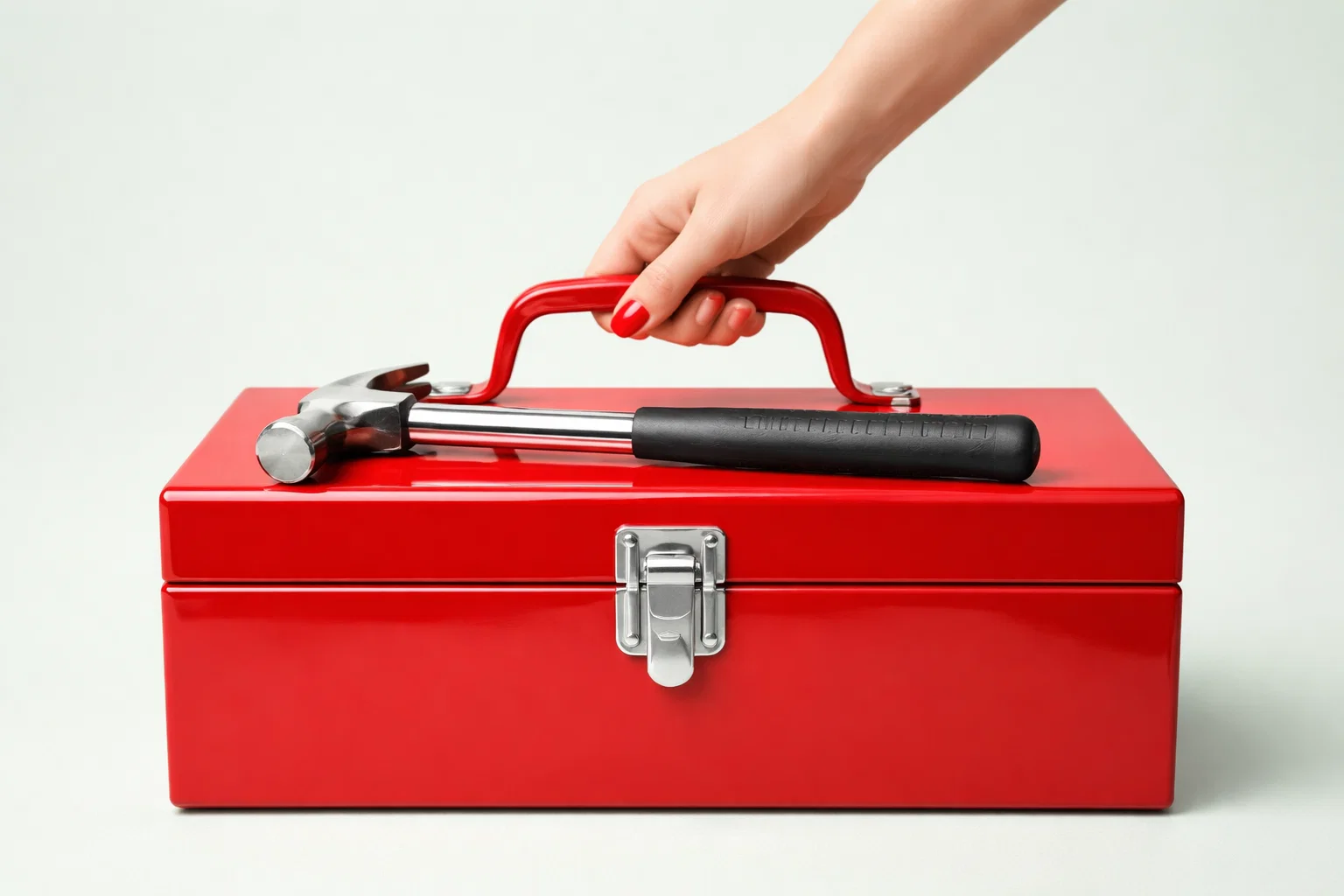
Hammers
A 16 oz. claw hammer covers most jobs. It’s heavy enough to drive nails, light enough to control. Look for a fiberglass or rubber grip to reduce vibration.
Screwdrivers
Buy a set that includes both flathead and Phillips head in multiple sizes. A magnetic-tip screwdriver is worth the small extra cost—it holds screws in place while you work.
Pliers
Start with three types:
- Slip-joint pliers (general gripping and bending)
- Needle-nose pliers (tight spaces and electrical work)
- Locking pliers, like Vise-Grips (when you need extra holding force)
Adjustable Wrench
One 8-inch and one 12-inch adjustable wrench will handle most plumbing and mechanical tasks around the house.
Utility Knife
Used for scoring drywall, cutting flooring, opening packages, and trimming caulk. Keep extra blades on hand—a dull blade is more dangerous than a sharp one.
Pry Bar
A flat pry bar removes nails, pries apart boards, and helps with demo work. Even if you rarely renovate, this earns its place in the toolbox.
Level
A 24-inch level is the most versatile size. Use it for shelving, picture frames, tile work, and more. A two-foot model costs around $15–$25 and lasts a lifetime.
Suggested Hand Tool Kit Costs
| Tool | Budget Option | Mid-Range Option |
|---|---|---|
| Hammer | $10–$15 | $25–$40 |
| Screwdriver Set | $15–$20 | $30–$50 |
| Pliers Set | $20–$30 | $40–$70 |
| Adjustable Wrench | $10–$15 | $20–$40 |
| Utility Knife | $8–$12 | $15–$25 |
| Pry Bar | $10–$15 | $20–$35 |
| Level (24″) | $10–$20 | $25–$50 |
Power Tool Priorities: Investing in Drills and Drivers
Power tools save significant time and effort. But they’re also an investment—so be selective about what you buy first.
Cordless Drill/Driver
This is the single most useful power tool you can own. It drills holes and drives screws, handles most assembly jobs, and tackles light-duty repairs. Look for an 18V or 20V model with at least two batteries included. Brands like DeWalt, Milwaukee, and Ryobi all offer reliable entry-level options between $80–$150.
Impact Driver
An impact driver delivers more torque than a standard drill, making it ideal for driving long screws and lag bolts. If you take on larger projects like decking or framing, this becomes essential. It’s not a replacement for a drill—it’s a complement to one.
Circular Saw
The go-to power saw for cutting lumber, plywood, and sheet goods. A 7¼-inch blade handles most residential cuts. If you’re not ready for a circular saw, a jigsaw is a versatile alternative for curved cuts and smaller projects.
Oscillating Multi-Tool
Underrated and incredibly useful. It cuts, sands, scrapes, and grinds in tight spaces where other tools can’t reach. Useful for plumbing repairs, flooring work, and trimming door casings.
When to Add a Power Tool
Don’t buy a power tool for one task. Wait until you find yourself repeatedly doing something by hand that would be faster with a power tool. That’s your signal to invest.
Measuring and Marking: The Key to Precision in DIY
Cutting wrong wastes time and materials. Measuring right prevents it. These tools are inexpensive but critical.
Tape Measure
A 25-foot tape measure is the standard for most homeowners. Look for a wide blade (1 inch or more) so it holds its shape when extended. The belt clip and lock mechanism should feel solid—cheap tape measures fail quickly.
Speed Square
Used to mark 90° and 45° angles on lumber. It’s also a helpful guide for circular saw cuts. Most are small enough to fit in a tool belt or apron pocket.
Chalk Line
Ideal for marking long, straight lines across floors, walls, or large boards. Snap the string against a surface to leave a chalk mark. Far more accurate than guessing.
Pencils and Marking Awl
Always keep a few carpenter’s pencils in your toolbox. For more precise marking—especially on metal or tile—a marking awl scribes a thin, accurate line that pencils can’t match.
Stud Finder
A reliable stud finder helps you locate wall framing so you can hang heavy items or run cables without guessing. Models with AC wire detection are worth the added cost for safety.
Safety First: Necessary Protective Gear for Home Projects
Protective gear isn’t optional. Most home injuries are preventable with the right equipment worn consistently.
Safety Glasses
Flying debris, sawdust, and splatter can cause serious eye injuries. Keep at least two pairs—one for you and one for anyone helping. ANSI Z87.1-rated glasses offer verified impact protection.
Hearing Protection
Repeated exposure to power tools causes lasting hearing damage. Foam earplugs (NRR 30+) work well for most tasks. For extended use, earmuffs are more comfortable.
Work Gloves
Not all gloves are equal. For general use, look for cut-resistant gloves with a snug fit. For electrical work, use insulated gloves. Avoid wearing loose gloves near rotating blades or drill bits.
Dust Mask or Respirator
A basic N95 mask filters fine dust particles from drywall sanding, insulation, and wood cutting. For work involving paint stripping or chemical products, step up to a half-face respirator with the appropriate cartridges.
Steel-Toe Boots
Not strictly a DIY tool, but worth mentioning. Heavy objects drop in any workshop. A pair of steel-toe work boots protects your feet from nail punctures and falling lumber.
First Aid Kit
Keep a stocked kit in your workspace. Include bandages, antiseptic, tweezers, and medical tape. Accidents happen even with proper protective gear.
Beyond the Basics: Advanced Tools for Specific Home Renovations
Once your core kit is in place, certain projects call for more specialized tools. You don’t need to buy these upfront—rent or purchase based on your actual project needs.
Tile Saw (Wet Saw)
Essential for cutting ceramic, porcelain, or stone tile cleanly. A tile nipper handles small notches, but a wet saw is required for straight cuts. Rentals typically cost $40–$60 per day.
Miter Saw
Makes precise crosscuts and angle cuts in lumber and molding. Ideal for flooring installation, trim work, and framing. A 10-inch sliding miter saw handles most projects and runs $150–$400 new.
Nail Gun (Brad or Finish Nailer)
For trim installation, baseboards, and cabinetry, a nail gun is far more efficient than a hammer. Pneumatic models require an air compressor; cordless battery-powered nailers are more convenient but pricier.
Angle Grinder
Cuts through metal, removes rust, sharpens blades, and grinds down uneven welds or concrete. Useful for metalwork and masonry projects.
Shop Vacuum
Standard household vacuums aren’t built for drywall dust or wood shavings. A shop vac handles wet and dry debris, and many connect directly to power tools for integrated dust collection.
Rent vs. Buy: A Quick Rule
- Rent if you’ll use the tool once or twice.
- Buy if you’ll use it for multiple projects or plan to maintain your home over the long term.
Tool Maintenance: Ensuring Longevity and Performance
A $50 hand tool lasts decades with minimal care. A $200 power tool fails in two years without it. Maintenance isn’t complicated—just consistent.
Keep Blades and Bits Sharp
Dull blades require more force, produce worse results, and increase injury risk. Sharpen chisels, plane blades, and hand saws regularly. Replace dull drill bits and circular saw blades rather than forcing them.
Clean After Every Use
Wipe down tools after each project. Remove sawdust from vents on power tools using compressed air or a brush. Rust forms quickly on metal surfaces that aren’t dried properly.
Oil Moving Parts
Apply a light machine oil (like 3-in-One) to hinges, joints, and adjustment mechanisms on tools periodically. This prevents stiffness and corrosion.
Store Tools Properly
Damp garages and sheds accelerate rust and degrade rubber components. Store tools in a dry location, preferably in a toolbox or on a pegboard away from direct moisture. Silica gel packets inside a closed toolbox help control humidity.
Inspect Cords and Batteries
Check power tool cords for cuts, frays, or exposed wiring before each use. Store lithium-ion batteries at partial charge in a cool, dry location to extend their lifespan.
Where to Buy: Choosing Quality Over Price for Long-Term Value
Cheap tools cost more in the long run. A $10 wrench that rounds off bolt heads or a $5 tape measure that reads inaccurately will slow your work and frustrate your projects.
Where to Shop
- Home Depot / Lowe’s: Wide selection of hand tools and power tools across all price ranges. Good for browsing in person before buying.
- Harbor Freight: Budget-friendly and useful for rarely-used specialty tools. Avoid their hand tools for frequent use.
- Amazon: Convenient for specific items, especially when you know the exact brand and model you want.
- Local Hardware Stores: Better advice from staff who use the products. Often carry professional-grade items not found in big-box stores.
- Tool Rental Centers: For large or specialty equipment used once per project.
Brands Worth Trusting
| Category | Budget | Mid-Range | Professional |
|---|---|---|---|
| Hand Tools | Stanley | Craftsman | Klein Tools |
| Power Tools | Ryobi | DeWalt | Milwaukee |
| Measuring | Empire | FastCap | Starrett |
| Safety Gear | 3M | Uvex | Honeywell |
Buy Sets When Starting Out
A screwdriver set, socket set, or drill bit set typically costs less per piece than buying individually. Start with sets, then fill gaps with specific items as you need them.
Building Your Kit the Smart Way
You don’t have to buy everything at once. Start with the essentials—a hammer, screwdriver set, tape measure, level, and a cordless drill. These five items handle 80% of typical home repairs and projects.
Add tools as your projects require them. Borrow or rent before committing to a purchase. And when you do buy, choose quality over the cheapest option available—your tools should outlast the projects you use them for.
A well-built toolkit saves money on contractors, keeps your home in good shape, and gives you the confidence to take on projects you’d otherwise avoid. Start small, build consistently, and you’ll have everything you need within a year or two.
Frequently Asked Questions
What tools should every homeowner have?
At minimum: a hammer, screwdriver set (flathead and Phillips), tape measure, adjustable wrench, utility knife, level, and a cordless drill. These cover the vast majority of common home repairs and maintenance tasks.
How much does it cost to build a basic home tool kit?
A functional starter kit costs between $150–$300, depending on brand choices. Prioritize quality on tools you’ll use frequently—like a drill and tape measure—and go budget on items used occasionally.
Is it better to rent or buy power tools?
Rent if you need a tool for a single project. Buy if you’ll use it regularly or if the rental cost approaches the purchase price within one or two uses.
What’s the most useful power tool for a homeowner?
A cordless drill/driver. It handles more tasks than any other single power tool and is used in almost every home repair or improvement project.
How do I prevent my tools from rusting?
Keep them dry, clean them after use, apply light oil to metal surfaces, and store them in a low-humidity environment. Silica gel packets in a closed toolbox help absorb moisture.
Do I need professional-grade tools for home DIY?
Not for most projects. Mid-range tools from brands like DeWalt, Craftsman, or Stanley perform well for residential use. Professional-grade tools are built for daily heavy-duty use and are usually overkill for occasional homeowners.
